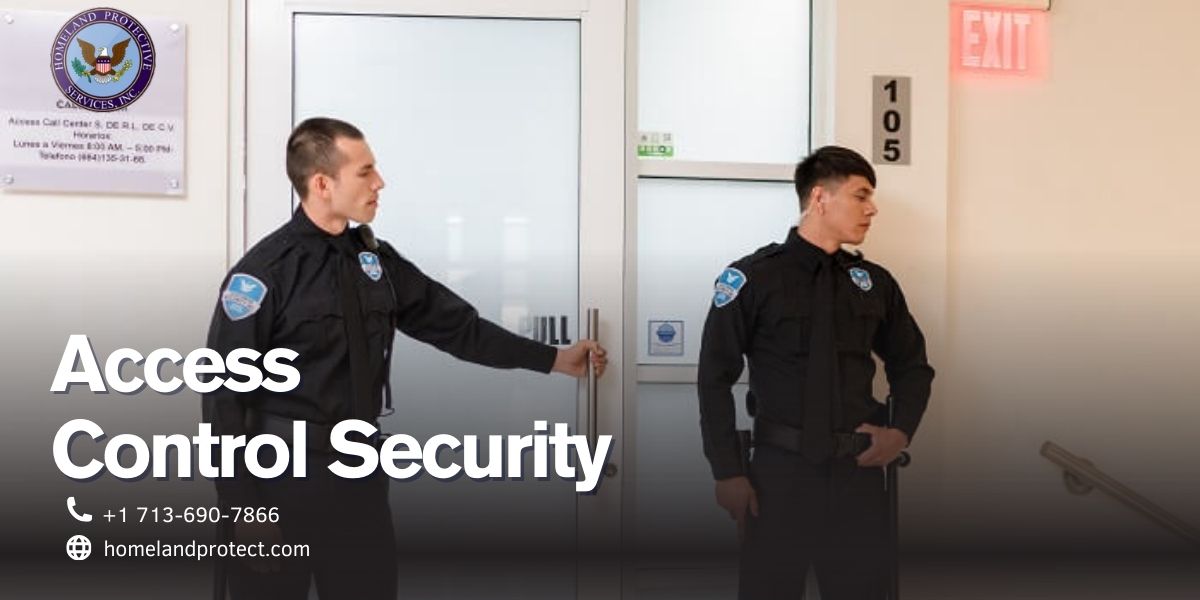
If you manage a commercial building in Houston, you already know how quickly security issues can escalate. A few years ago, during a site assessment in the Galleria area, I walked into an office tower where former employees still had active keycards. The property manager assumed the system was “secure” because it required a badge. In reality, there was no real-time monitoring, no access logs being reviewed, and no coordination with on-site security personnel.
That’s the difference between having a keycard system and having true access control security.
In a city like Houston—where corporate offices, energy companies, medical facilities, and multi-tenant buildings operate around the clock—building security services must go beyond locked doors. They must be strategic, layered, and professionally managed.
This complete guide explains how modern access control works, what systems are used in Houston office buildings, what it costs in 2026, and whether professional access control services are worth the investment.
What Is Access Control Security? And Why It’s Not Just a Keycard)
At its core, access control security regulates who can enter specific areas of a building—and when.
But in commercial environments, it’s much more than a plastic badge.
A professionally managed access control system includes:
- Credential authentication (keycards, mobile access, biometrics)
- Entry point hardware (readers, electronic locks, turnstiles)
- Cloud or on-premise management software
- Activity logging and audit trails
- Integration with video surveillance and alarm systems
- Trained personnel oversight
In Houston’s corporate office towers—especially downtown and in the Energy Corridor—security risks include:
- Unauthorized employee re-entry after termination
- Tailgating (someone following an authorized person inside)
- Vendor access abuse
- Data-sensitive areas requiring restricted clearance
- Liability exposure from untracked visitors
A true building security service in Houston combines technology + trained security personnel + monitoring, not just hardware installation.
According to guidance from the U.S. Department of Homeland Security, layered physical security controls significantly reduce commercial facility risk exposure.
How Access Control Works — Technology + Personnel Combined
Modern commercial access control is a coordinated system.
Step 1: Credential Verification
An individual presents a credential:
- RFID keycard
- Mobile phone app
- PIN code
- Biometric scan (fingerprint or facial recognition)
The system verifies credentials against a database that determines:
- Who the person is
- What areas they can access
- What times they’re authorized
Step 2: Real-Time Logging
Every entry attempt is recorded:
- Time
- Location
- Credential used
- Approved or denied status
These logs are critical for:
- Compliance
- Internal investigations
- Insurance documentation
- Corporate risk management
Step 3: Integration with Monitoring & Personnel
This is where many DIY systems fail.
Professional access control in Houston integrates with:
- Monitoring systems for real-time alerts
- On-site Unarmed Security Services
- Video surveillance for visual confirmation
- Controlled Entry points with trained guards
For example, if someone attempts entry after hours in a downtown Houston corporate building, the system can:
- Deny access
- Alert monitoring staff
- Notify on-site security
- Trigger camera review
- Escalate to law enforcement if necessary
That layered response is what separates basic access hardware from professional building security services.
Types of Access Control Systems Used in Houston Office Buildings
Commercial buildings across Houston use different types of systems depending on their size, risk profile, and compliance requirements.
1. Keycard & RFID Systems
Most common in multi-tenant office buildings.
Benefits:
- Cost-effective
- Easy credential management
- Role-based permissions
Best for:
- Corporate offices
- Co-working spaces
- Mid-rise commercial buildings
2. Mobile Credential Access
Employees use a secure smartphone app instead of physical badges.
Benefits:
- Reduces lost card risk
- Remote credential activation/deactivation
- Touchless entry (important for health-conscious workplaces)
Popular in:
- Modern Houston office campuses
- Tech firms
- Class A office buildings
3. Biometric Access Control
Uses fingerprints, facial recognition, or iris scanning.
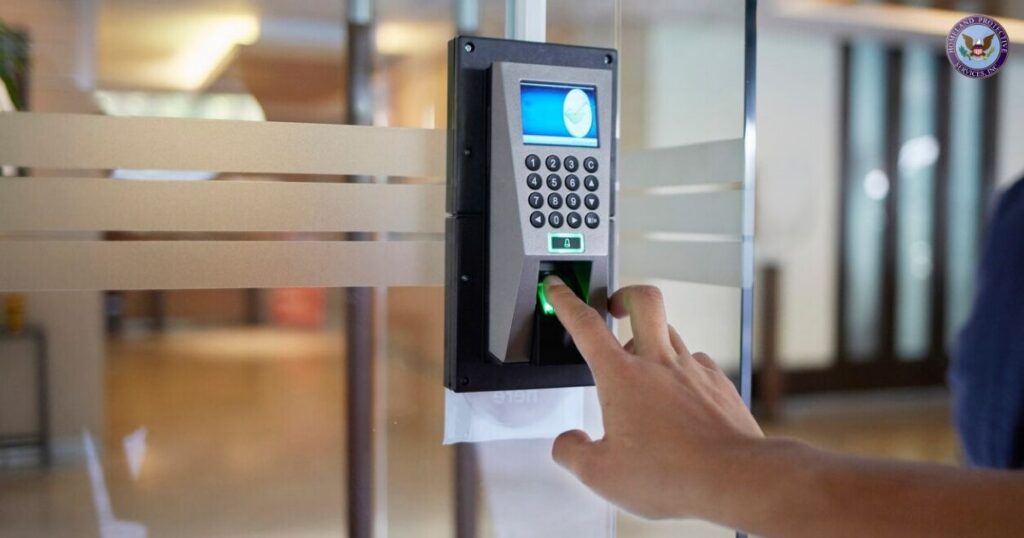
Benefits:
- Highest level of identity verification
- Eliminates credential sharing
- Ideal for high-security zones
Common in:
- Energy sector facilities
- Financial institutions
- Data-sensitive environments
4. Cloud-Based Access Control Systems
Managed remotely via secure cloud platforms.
Benefits:
- Scalable across multiple Houston properties
- Real-time updates
- Remote system oversight
- Automatic software updates
This model is growing rapidly in 2026 due to its flexibility and lower infrastructure burden.
5. Integrated Elite Access Management
Premium systems combine:
- Controlled entry
- Video surveillance
- 24/7 monitoring
- Security personnel coordination
- Visitor management software
This “Elite Access Management” approach is typically deployed in high-value commercial towers, healthcare campuses, and multi-building corporate facilities.
Cost of Access Control Security Services in Houston (2026)
Cost depends on building size, entry points, system type, and whether personnel services are included.
Here’s a general 2026 estimate for Houston commercial buildings:
| Building Size | Basic System | Advanced Integrated System |
| Small Office (1–2 entry points) | $3,000–$7,000 install | $8,000–$15,000 |
| Mid-Size Commercial | $10,000–$30,000 | $30,000–$75,000 |
| Large Office Tower | Custom pricing | Enterprise-level pricing |
Ongoing monthly costs may include:
- Monitoring services
- Software licensing
- Maintenance agreements
- Security personnel integration
While DIY systems may seem cheaper upfront, they often lack monitoring, compliance tracking, and liability protection.
In Houston’s competitive commercial market, the cost of a security breach can far exceed the investment in professional access control.
Professional access control reduces your liability, but tech alone can’t stop a physical breach. Understanding the nuances of armed vs. unarmed security is essential for building managers looking to create a complete safety net for their tenants.
Access Control Case Study: Houston Corporate Office Tower
A 20-story corporate building in Downtown Houston faced recurring security issues:
- Former contractors accessing after hours
- Untracked vendor entry
- Tenant complaints about tailgating
After implementing a fully integrated access control system:
- Unauthorized entry attempts dropped by 68%
- Credential deactivation response time reduced to under 5 minutes
- Incident investigation time reduced by 40% due to access logs
- Insurance premiums decreased after compliance audit review
The solution included:
- Cloud-based credential management
- Integrated video surveillance
- Controlled Entry personnel
- Centralized monitoring
Within 6 months, tenant satisfaction scores increased significantly.
This demonstrates how building security services in Houston directly impact liability, tenant retention, and operational efficiency.
Is Professional Access Control Worth It vs. DIY Systems?
For commercial properties in Houston — yes.
Here’s why:
DIY Limitations:
- No 24/7 monitoring
- Limited compliance documentation
- No coordinated response plan
- Manual credential updates
- Higher liability exposure
Professional Access Control Advantages:
- Real-time oversight
- Integrated monitoring
- Security personnel coordination
- Compliance-ready documentation
- Reduced operational risk
- Scalable growth support
For a multi-tenant Houston office building, relying on a standalone keypad system exposes ownership to significant risk.
Professional systems transform access control from a door lock into a managed security strategy.
FAQ
What is access control in commercial buildings?
Access control in commercial buildings is a security system that regulates who can enter specific areas using credentials such as keycards, mobile apps, PIN codes, or biometric identification. It records entry activity and integrates with monitoring systems for enhanced protection.
How much does access control cost in Houston?
In Houston, commercial access control systems typically range from $3,000 for small offices to enterprise-level investments exceeding $75,000 for large office towers. Monthly monitoring and maintenance fees may apply.
Is access control better than traditional locks?
Yes. Access control systems provide real-time logging, remote credential management, and integration with surveillance and monitoring. Traditional locks do not provide activity tracking or centralized control.
Can access control systems integrate with security guards?
Yes. Professional systems integrate with on-site security personnel, monitoring centers, and video surveillance to create a layered security response plan.
What industries in Houston need advanced access control?
Energy companies, healthcare facilities, financial institutions, corporate headquarters, and multi-tenant office buildings benefit most from advanced access control systems.
Request Access Control Services
If you manage a commercial property in Houston, securing your building requires more than installing a reader at the door. It requires planning, monitoring, and coordination.
Schedule a free site assessment to evaluate:
- Entry point vulnerabilities
- Credential management risks
- Monitoring integration needs
- Personnel coordination strategies
Our team will design a customized access control solution tailored to your building’s layout, tenant structure, and operational demands.
Secure your building. Reduce liability. Strengthen operational control.
Request your access control consultation today.
Is this conversation helpful so far?