When protecting your assets, “how much” is often the first question asked. However, in the high-stakes world of Texas private security, security guard cost is a direct reflection of risk, training, and state-mandated compliance.
Whether you are securing a manufacturing/industrial facility in Houston, a tech hub in Austin, TX, or a gated community in San Antonio, this guide breaks down the expected costs and the semantic factors that influence them.
1. The Texas Security Landscape: Understanding the Price
Look, let’s get one thing straight before we talk numbers. Price and value are two very different things. In Texas, hiring a guard involves more than just a paycheck. The state has some really tough licensing rules. You might see the Bureau of Labor Statistics (BLS) mention a median salary of around $28,490 per year. But that’s just for the individual worker. When you hire a pro agency, your hourly rate covers a lot more. You’re paying for liability insurance and background checks. It covers communication devices and high-level specialized training. Basically, you’re buying a safety net, not just a person in a uniform.
Expected Hourly Rate Estimates (2026)
- Unarmed Security Guard: Expect to pay between $25 and $42 per hour.
- Armed Security Guard: Expected range of $45 – $75 per hour.
- Off-Duty Police/Special Forces trained: Expected range of $85 – $150+ per hour.
2. Security Guard Types and Their Cost Drivers
The Security Guard types you choose will be the primary driver of your bill. Each level of protection serves a different security function.
Unarmed Security Guard (Level II)
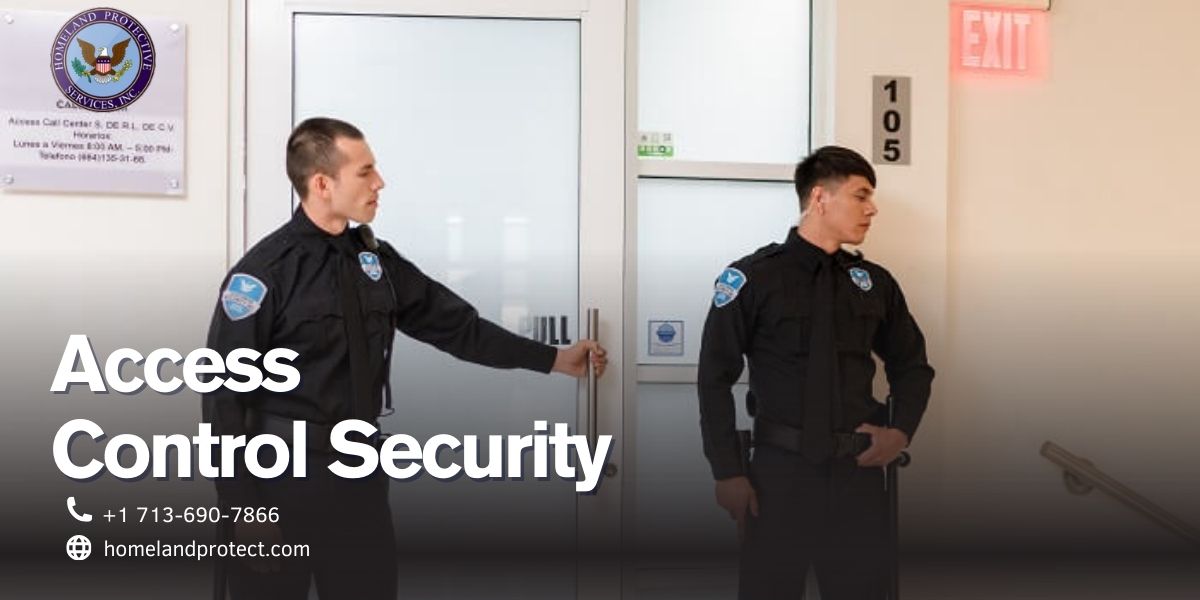
Look at the Unarmed Security Guard (Level II). They are your front line at retail stores or schools. Their main job is just being seen. When people see a uniform, they think twice about criminal activity. These guards spend their time monitoring CCTV cameras. They are the ones checking identification at the door. They manage access control to keep strangers out. Since they don’t carry firearms, the liability insurance costs stay low. This makes them your best bet for low-risk spots. It’s the most budget-friendly way to stay safe.
Armed Security Officer (Level III)
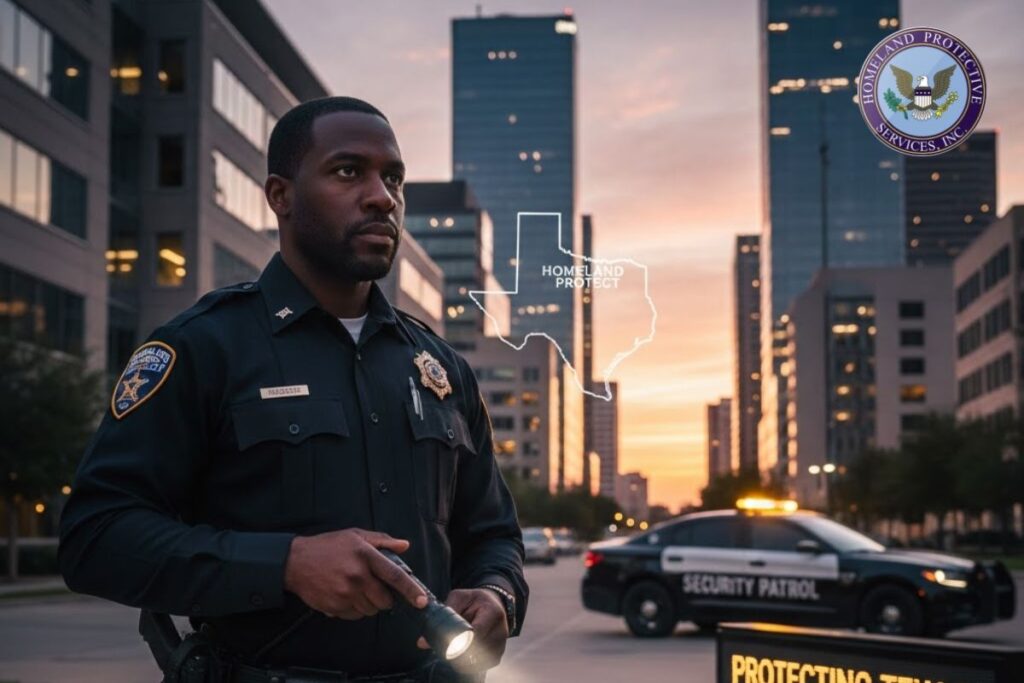
A Security Officer at this level is commissioned by the Texas DPS to carry a weapon. These individuals are essential for high-risk locations, such as banks or healthcare facilities carrying sensitive pharmaceuticals. Their training includes combat techniques, emergency response, and advanced fire safety. You are paying for their ability to respond to high-threat criminal activity.
Specialized Personnel (Ex-Military & Special Forces)
For high-profile individuals or high-value industrial assets, many Texas firms utilize ex-military or Special Forces-trained personnel. This is where you enter the world of Executive Protection.
If you are looking at the personal security guard cost, you are likely hiring a Level IV Personal Protection Officer (PPO). In Texas, these specialists are licensed to work in plain clothes and provide “close-in” protection. Because of their elite physical fitness levels and advanced problem-solving training, they justify a higher private security per hour rate.
What to expect for personal security guard costs in 2026:
The Investment: You aren’t just paying for a guard; you are paying for an expert in threat assessment, emergency evacuations, and defensive tactics
Hourly Rate: Typically $60 – $120+ per hour.
Daily Detail: Often billed at $800 – $1,500 per day for 24/7 protection.
3. Geographic Deep Dive: Texas Regional Pricing
Texas is vast, and the security guard cost in Texas is not uniform. Market demand in major metropolitan hubs dictates the budget considerations.
Austin, TX: The High-Demand Tech Hub
In Austin, the influx of tech companies and massive public events (like festivals and sporting events) has driven up the cost. Event security here often requires guards with high-level communication and conflict resolution skills to manage large event sizes.
- Expected Austin Rate: $32 – $48 (Unarmed) | $55 – $80 (Armed)
Houston: Industrial and Energy Security
Houston remains the leader in manufacturing/industrial security. Protecting energy infrastructure requires patrol services and mobile patrols across large facility sizes.
- Expected Houston Rate: $27 – $40 (Unarmed) | $50 – $72 (Armed)
Dallas & Fort Worth: Corporate and Data Centers
The Dallas metroplex is a hub for corporate/office security. Here, customer confidence and professionalism are paramount. Guards often act as concierges while maintaining strict access control.
- Expected Dallas Rate: $30 – $43 (Unarmed) | $52 – $75 (Armed)
When it comes to protecting high-value assets in North Texas, our Professional Security Services in Dallas, TX provide the local expertise and Texas DPS compliance necessary to keep your business secure.
San Antonio: Healthcare and Tourism
San Antonio sees a high demand for healthcare facility security and hospitality protection. Rates here tend to be slightly more competitive but fluctuate based on crime rates in the area.
- Expected San Antonio Rate: $26 – $38 (Unarmed) | $45 – $65 (Armed)
4. Factors Affecting Security Guard Costs: The Fine Print
When you receive a quote, several variables influence whether it hits the high or low end of our expected ranges.
Experience Level and Training
A guard with observation skills honed by twenty years in law enforcement agencies will naturally cost more than a new hire. Expertise in first aid, CPR, and fire safety adds layers of value that protect you from more than just crime—they protect you from liability.
The Risk Level of the Event or Site
If you are hosting a public event with an alcohol presence, the risk level of the event skyrockets. Crowd type (aggressive vs. compliant) and the number of attendees dictate the ratio of guards needed. High-risk environments require more Security Officers per square foot, increasing the total cost of hiring a security guard.
Time Frame and Shift Timing
Time of day is a major factor. Nighttime shifts often carry a “shift differential” premium. Additionally, long-term vs. short-term contracts play a role; a security firm will typically offer a lower hourly rate for a three-year contract compared to a 48-hour emergency request.
Insurance Coverage and Liability
One of the most overlooked factors affecting security guard costs is the company’s liability insurance costs. Reputable Texas firms carry millions in coverage to protect their clients from accidents or incidents. Hiring an independent, uninsured guard might save money upfront, but it exposes your property and assets to catastrophic financial risk.
5.The Professional Advantage
Why Licensing is Your Biggest Safety Net
Any solid Texas firm will be open about their Licensing (DPS). It’s a huge deal. This proves they follow state safety procedures. They also know real problem-solving tricks. A great partner knows every industry is unique. In retail stores, the focus is on stopping theft. At hospitals, guards handle unruly customers in tense spots. For gated communities, residential security and patrol is key. It really boosts customer confidence for people living there.
6. Balancing Your Budget
Think about the ROI of protecting your property and assets. It’s more than just a cost. Try some cost-saving strategies. Outsourcing security services is usually a smart move. You won’t have to track a salary or benefits. You also won’t need to buy firearms or radios. Another win is hybrid security. Mix CCTV cameras with a few mobile patrols. This lowers your private security per hour cost. You stay safe without paying for 24/7 on-site staff.
7. Making the Right Call
The security guard cost in Texas shows the state’s high standards. Cities here have complex needs. You should expect to pay $25 to $75 per hour for standard pros. But true professionalism and experience is actually priceless. You might need to deter criminal activity at a manufacturing facility. Or maybe you need first aid help at a public event. Always pick a firm that loves Texas DPS rules. High Experience levels are the only way to protect your brand.
In the Lone Star State, safety is a regulated profession. You can verify the latest rules and licensing requirements directly on the official Texas Department of Public Safety (DPS) Private Security page.
FAQS
1. Is an armed guard worth the extra cost in Texas?
It depends on your risk. An armed security guard costs more due to firearms training and higher liability insurance. For protecting high-value assets, it’s a vital move for deterring criminal activity.
2. Why do rates vary between Houston, Dallas, and Austin?
Local demand and crime rates drive the price. Austin, TX often sees higher rates due to tech growth and event security needs. Houston prices often fluctuate based on the facility size of industrial hubs.
3. What’s the main difference between Level II and Level III guards?
A Level II is an unarmed security guard for access control. A Level III is a commissioned Security Officer who carries a weapon. Both must be licensed (DPS) through the Texas Department of Public Safety.
4. How can I lower my security budget without losing safety?
Try outsourcing security services to avoid paying a full-time salary and benefits. A hybrid security model—mixing CCTV cameras with mobile patrols—is also a great cost-saving strategy.
5. How do I verify if a Texas security company is professional?
Always confirm their licensing (DPS) status. A pro firm will show high Experience levels and proof of liability insurance. This ensures they follow safety procedures and truly prioritize the protection of people.
Secure Your Texas Assets Now
Don’t grab some generic guard. We focus on residential, corporate, and industrial security. We cover Dallas, Houston, Austin, and San Antonio.
Contact us today (+1 713-690-7866 ) for a full risk assessment and a quote for your Texas location!